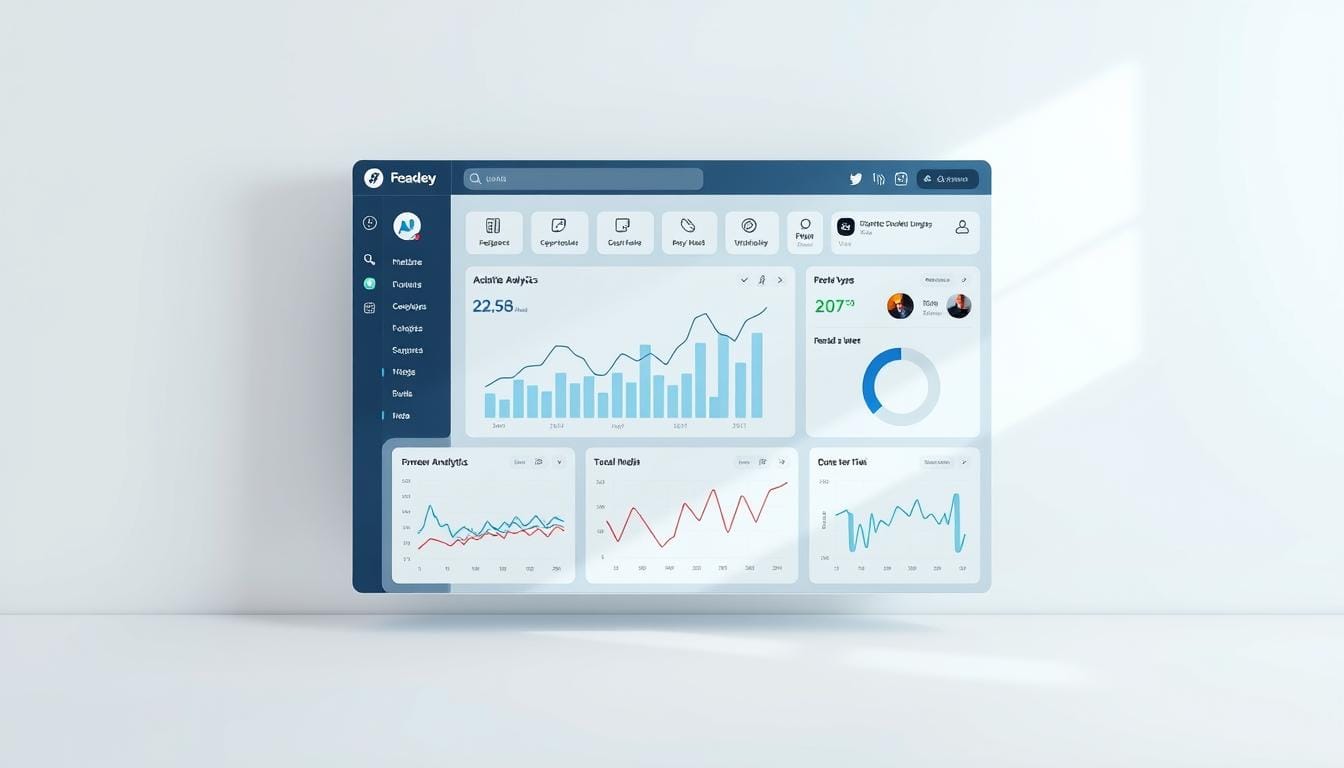



In today’s digital landscape, having a robust online presence is crucial for businesses in India to stay competitive. Effective social media strategy can significantly enhance brand awareness, foster customer engagement, and drive sales.
A well-crafted digital marketing plan that includes social media can help businesses reach their target audience more effectively. By leveraging the right platforms and content, companies can build a loyal customer base and stay ahead of the competition.
Key Takeaways
- Develop a robust social media strategy to enhance brand awareness.
- Leverage digital marketing to reach your target audience.
- Engage with customers effectively through social media platforms.
- Monitor and adjust your strategy to stay competitive.
- Utilize the right content to build a loyal customer base.
The Digital Revolution: Why Social Media Matters in 2023
The digital revolution in India has reached new heights in 2023, with social media emerging as a key driver of business success. As the country’s internet penetration continues to grow, social media platforms have become essential channels for businesses to reach and engage with their target audiences.
The Evolving Social Media Landscape in India
The social media landscape in India is rapidly evolving, with new platforms and features being introduced regularly. This evolution is driven by changing user behaviors and technological advancements.
Key trends shaping the Indian social media landscape include:
- Increasing adoption of smartphones and internet services
- Rise of video content and live streaming
- Growing importance of influencer marketing
- Integration of e-commerce with social media platforms
Key Statistics That Highlight Social Media's Importance for Indian Businesses
Several key statistics underscore the importance of social media for Indian businesses:
| Statistic | Value |
|---|---|
| Number of social media users in India | 450 million+ |
| Average time spent on social media per day | 2.5 hours |
| Percentage of businesses using social media for marketing | 80% |
These statistics highlight the vast potential of social media for Indian businesses, from reaching a large audience to driving engagement and conversions.
What is Social Media Management?
Understanding social media management is crucial for businesses aiming to thrive in India’s digital landscape. At its core, social media management involves creating, scheduling, analyzing, and engaging with content on various social media platforms.
Defining the Core Components
Effective social media management encompasses several key components. These include:
- Content Creation: Developing content that resonates with your target audience.
- Content Scheduling: Planning and scheduling content in advance to maintain consistency.
- Engagement: Interacting with followers through comments, messages, and mentions.
- Analytics: Monitoring performance using metrics such as engagement rates and follower growth.
| Component | Description | Importance |
|---|---|---|
| Content Creation | Developing engaging content | High |
| Content Scheduling | Planning content in advance | Medium |
| Engagement | Interacting with followers | High |
| Analytics | Monitoring performance metrics | High |
The Difference Between Posting and Strategic Management
Simply posting content on social media is not enough; a strategic management approach is necessary for achieving business objectives. Strategic management involves aligning social media efforts with overall business goals, understanding the target audience, and continuously analyzing and adjusting the strategy.
By adopting a strategic management approach, businesses can maximize their online presence, improve engagement, and drive conversions.
The Business Impact of Effective Social Media Management
Social media management is no longer just about posting content; it’s about driving business results. Effective social media management can have a significant impact on various aspects of a business, from enhancing brand visibility to improving customer service.
Brand Awareness and Recognition
A well-managed social media presence helps in building brand awareness by consistently delivering content that resonates with the target audience. This not only increases brand recognition but also establishes the brand as an authority in its niche.
- Consistent branding across platforms
- Engaging content that sparks conversations
- Strategic use of hashtags and trends
Customer Engagement and Community Building
Effective social media management fosters customer engagement by encouraging interactions through comments, messages, and shares. This helps in building a community around the brand, leading to loyal customers and brand advocates.
Lead Generation and Conversion Opportunities
By leveraging social media platforms, businesses can create lead generation opportunities through targeted advertisements and compelling content. This can drive conversions, whether it’s making a sale, signing up for a newsletter, or downloading an app.
- Targeted advertising campaigns
- Content marketing strategies
- Utilizing social media analytics for optimization
Customer Service Enhancement
Social media also plays a crucial role in customer service enhancement. By responding promptly to customer inquiries and concerns on social media, businesses can improve customer satisfaction and build trust.
Effective social media management is key to unlocking these benefits and driving business growth in the digital age.
Essential Social Media Platforms for Indian Businesses
For Indian businesses looking to make a mark online, understanding the essential social media platforms is crucial. The diverse social media landscape in India offers numerous opportunities for businesses to connect with their audience, build brand awareness, and drive sales.
Instagram: Visual Storytelling for Brands
Instagram has become a vital platform for businesses, especially those with visually appealing products or services. With over 200 million users in India, it offers a vast audience for brands to showcase their offerings through high-quality visuals and engaging stories. Businesses can leverage features like Shopping Tags and Reels to enhance their marketing efforts.
Facebook: The All-in-One Platform
Facebook remains one of the most widely used social media platforms in India, making it an indispensable tool for businesses. It offers a range of features, including Groups, Pages, and Ads, allowing businesses to reach a broad audience, engage with customers, and drive website traffic. Facebook’s analytics tools also help businesses track their performance and adjust their strategies accordingly.
LinkedIn: B2B Connections and Thought Leadership
For B2B businesses, LinkedIn is the go-to platform. It enables companies to establish thought leadership, network with professionals, and generate leads. By publishing insightful content and participating in relevant discussions, businesses can build their reputation and attract potential clients.
Twitter: Real-Time Engagement
Twitter is ideal for businesses that want to engage with their audience in real-time. With its fast-paced nature, it’s perfect for customer service, news, and trending topics. Businesses can use Twitter to stay relevant, respond to customer queries, and participate in larger conversations.
YouTube: Video Marketing Excellence
YouTube is the second-largest search engine in the world, making it a powerful platform for video marketing. Indian businesses can create engaging video content to educate, entertain, or inform their audience, thereby building brand loyalty and driving conversions.
WhatsApp Business: Direct Customer Communication
WhatsApp Business allows companies to communicate directly with customers, providing a personalized experience. It enables businesses to share updates, offer customer support, and even facilitate transactions, all within a secure and familiar environment.
| Platform | Primary Use | Key Features |
|---|---|---|
| Visual Storytelling | Shopping Tags, Reels, Stories | |
| Broad Audience Reach | Groups, Pages, Ads, Analytics | |
| B2B Connections | Thought Leadership, Networking, Lead Generation | |
| Real-Time Engagement | Customer Service, Trending Topics | |
| YouTube | Video Marketing | Video Content Creation, SEO |
| WhatsApp Business | Direct Customer Communication | Personalized Messaging, Customer Support |
By understanding and leveraging these essential social media platforms, Indian businesses can enhance their online presence, engage with their target audience, and drive business growth.
Crafting a Winning Social Media Strategy
Crafting a winning social media strategy is crucial for businesses aiming to thrive in India’s competitive digital landscape. A well-planned strategy not only enhances brand visibility but also drives engagement and conversions.
Setting SMART Social Media Goals
The first step in creating a successful social media strategy is setting SMART (Specific, Measurable, Achievable, Relevant, Time-bound) goals. This involves identifying what you want to achieve through your social media efforts, whether it’s increasing brand awareness, generating leads, or driving sales.
- Specific: Clearly define your objectives.
- Measurable: Quantify your goals to track progress.
- Achievable: Ensure goals are realistic based on your resources.
- Relevant: Align goals with your overall business objectives.
- Time-bound: Set deadlines for achieving your goals.
Understanding Your Target Audience in the Indian Market
Understanding your target audience is pivotal to creating content that resonates with them. In the Indian market, this involves considering cultural nuances, language preferences, and consumer behaviors.
Market research and social media analytics can provide valuable insights into your audience’s demographics, interests, and online behaviors.
Content Planning and Calendar Creation
Effective content planning is essential for maintaining a consistent social media presence. This involves creating a content calendar that outlines what content to post, when, and on which platforms.
Content Themes and Pillars
Developing content themes and pillars helps in maintaining consistency and relevance. Themes could be based on product categories, industry trends, or customer interests.
Optimal Posting Times for Indian Audiences
Understanding the best times to post content can significantly impact engagement. For Indian audiences, this often involves considering peak hours during the day and week when users are most active.
| Day | Optimal Posting Time |
|---|---|
| Monday | 10:00 AM, 3:00 PM |
| Tuesday | 11:00 AM, 2:00 PM |
| Wednesday | 12:00 PM, 4:00 PM |
Balancing Promotional and Value-Added Content
A successful social media strategy strikes a balance between promotional content and value-added content. While promotional content drives sales, value-added content engages and educates your audience.
By following these steps and continually monitoring and adjusting your strategy, you can create a winning social media presence that drives business results in India.
Top Social Media Management Tools and Resources
As Indian businesses continue to expand their online presence, the need for robust social media management tools becomes increasingly evident. Effective management of social media requires a combination of strategic planning, content creation, and analytics. To streamline these efforts, businesses can leverage a variety of tools and resources designed to enhance their social media presence.
All-in-One Management Platforms
All-in-one management platforms offer a comprehensive solution for managing multiple social media accounts. These platforms provide features such as scheduling, content creation, and analytics.
Hootsuite
Hootsuite is a popular choice among businesses, offering a wide range of features including scheduling posts, tracking engagement, and analyzing performance across various social media platforms.
Buffer
Buffer is another widely used tool that simplifies social media management by allowing users to schedule posts, track performance, and collaborate with team members.
Sprout Social
Sprout Social provides a robust set of tools for managing social media, including advanced analytics, customer service management, and content scheduling.
Analytics and Reporting Tools
Understanding the performance of social media efforts is crucial for making informed decisions. Analytics and reporting tools help businesses track their progress and adjust their strategies accordingly.
Google Analytics
Google Analytics is a powerful tool that provides insights into website traffic, engagement, and conversion rates, helping businesses understand the impact of their social media efforts.
Platform-Specific Insights
Most social media platforms offer their own analytics tools, providing insights into engagement, reach, and other key metrics. For example, Facebook Insights and Twitter Analytics offer detailed reports on performance.
Content Creation Resources
Creating engaging content is a critical aspect of social media management. Various tools and resources are available to help businesses create high-quality content.
Canva and Design Tools
Canva is a user-friendly design tool that enables businesses to create visually appealing graphics, social media posts, and other marketing materials.
Video Creation Platforms
With the rise of video content, platforms like Lumen5 and InVideo offer easy-to-use solutions for creating engaging video content for social media.

By leveraging these tools and resources, Indian businesses can enhance their social media management capabilities, streamline their efforts, and ultimately drive better results.
Measuring Success: Key Metrics and Analytics
Understanding the impact of your social media efforts is crucial for any business looking to thrive in today’s digital landscape. To effectively gauge success, it’s essential to dive into the world of social media metrics and analytics.
Engagement Metrics That Matter
Engagement metrics provide insights into how your audience interacts with your content. These metrics are vital for understanding what works and what doesn’t in your social media strategy.
Reach and Impressions
Reach refers to the number of unique users who have viewed your content, while impressions count the total number of times your content has been displayed. Both are crucial for understanding your content’s visibility.
Likes, Comments, and Shares
These engagement metrics indicate how your audience is interacting with your content. Likes show appreciation, comments indicate engagement, and shares signify that your content is valuable enough to be distributed by users themselves.
Conversion Tracking
Conversion tracking is about measuring the actions you want your audience to take, such as signing up for a newsletter, making a purchase, or downloading an e-book. This metric is crucial for understanding the ROI of your social media efforts.
ROI Calculation for Social Media Efforts
Calculating the Return on Investment (ROI) for social media involves comparing the revenue generated from social media campaigns to the cost of those campaigns. It’s a critical metric for justifying social media spend.
| Metric | Description | Importance |
|---|---|---|
| Engagement Rate | Percentage of audience that engages with content | High |
| Conversion Rate | Percentage of audience that completes a desired action | High |
| Reach | Number of unique users who viewed content | Medium |
Benchmarking Against Competitors
Benchmarking involves comparing your social media performance against that of your competitors. This helps in understanding your standing in the industry and identifying areas for improvement.
Overcoming Common Social Media Management Challenges
The journey to successful social media management is often fraught with challenges, from managing negative feedback to keeping up with algorithm changes. As businesses navigate this complex landscape, understanding these hurdles is crucial to devising effective strategies to overcome them.
Managing Negative Feedback and Crisis Situations
One of the most significant social media challenges businesses face is handling negative feedback and navigating crisis situations. It’s essential to have a robust crisis management plan in place, which includes monitoring social media conversations about your brand, responding promptly to negative comments, and having a clear protocol for escalating issues.
Prompt response and empathy are key in mitigating the impact of negative feedback. By addressing concerns openly and transparently, businesses can often turn a negative experience into a positive one, showcasing their commitment to customer satisfaction.
Staying Consistent Across Platforms
Maintaining consistency across various social media platforms is another challenge. This involves not only posting content regularly but also ensuring that the brand’s voice, tone, and visual identity are consistent. Creating a content calendar can help in planning and scheduling content in advance, reducing the likelihood of inconsistency.
Keeping Up With Algorithm Changes
Social media algorithms are constantly evolving, making it challenging for businesses to keep their content visible. Staying informed about the latest algorithm updates and adjusting strategies accordingly is vital. This might involve diversifying content types, such as incorporating more video content, or exploring new platforms.

Resource Allocation and Time Management
Effective social media management requires significant resources, including time, personnel, and budget. Businesses must allocate these resources efficiently, prioritizing tasks and potentially leveraging social media management tools to streamline processes.
Navigating Cultural Sensitivities in the Indian Market
For businesses operating in India, understanding and respecting cultural sensitivities is paramount. This involves being aware of local customs, festivals, and values, and ensuring that social media content is culturally appropriate. By doing so, businesses can avoid unintended offense and build a positive brand image.
By addressing these common social media management challenges, businesses can enhance their online presence, foster a positive brand image, and ultimately drive success in the Indian market.
The Future of Social Media Management
As we look to the future, social media management is poised to undergo significant transformations driven by emerging technologies and shifting user behaviors. The Indian market, in particular, is expected to witness substantial growth and changes in how businesses interact with their audiences on social media.
Emerging Platforms and Technologies in India
New social media platforms and technologies are continually emerging, offering businesses fresh opportunities to connect with their target audiences. In India, platforms like Instagram Reels and YouTube Shorts are gaining popularity, providing a new avenue for short-form content.
AI and Automation in Social Media
The integration of AI and automation in social media management is revolutionizing how businesses operate. From chatbots to content curation, AI is enhancing efficiency and personalization.
Voice and Video Content Dominance
Voice and video content are becoming increasingly dominant in social media. With the rise of voice-activated assistants, optimizing content for voice search is becoming crucial.
Social Commerce Opportunities
Social commerce is another area seeing significant growth. Platforms are integrating e-commerce features, allowing businesses to sell directly to consumers.
Changing Consumer Behaviors and Expectations
Consumer behaviors and expectations are continually evolving. Businesses must stay agile, adapting their social media strategies to meet these changing demands.
| Trend | Impact on Social Media Management | Business Opportunity |
|---|---|---|
| Emerging Platforms | New channels for engagement | Increased brand visibility |
| AI and Automation | Enhanced efficiency and personalization | Better customer service |
| Voice and Video Content | New content formats | Increased engagement |
| Social Commerce | Direct sales on platforms | Increased revenue |
Conclusion: Harnessing the Full Potential of Social Media Management
As we’ve explored throughout this article, social media management is a powerful tool for businesses in India to connect with their audience, build brand awareness, and drive growth. By understanding the evolving social media landscape, crafting a winning strategy, and leveraging the right tools and resources, businesses can unlock the full potential of social media management.
To maximize social media management potential, it’s essential to stay adaptable, be responsive to changing consumer behaviors, and continually measure and optimize your efforts. By doing so, businesses can not only survive but thrive in the ever-changing digital landscape.
As you move forward on your social media journey, remember that a well-executed social media management strategy can be a game-changer for your business. By harnessing the power of social media, you can reach new heights and achieve your business goals.
FAQ
What is the importance of having a social media presence for Indian businesses?
Having a strong social media presence is crucial for Indian businesses as it significantly impacts brand awareness, customer engagement, and ultimately drives sales.
How do I define my target audience for social media in the Indian market?
Understanding your target audience involves identifying demographics, preferences, and behaviors specific to the Indian market, allowing you to tailor your content and strategy effectively.
What are the key social media platforms for Indian businesses to focus on?
Indian businesses should focus on platforms like Instagram for visual storytelling, Facebook for its all-in-one features, LinkedIn for B2B connections, Twitter for real-time engagement, YouTube for video marketing, and WhatsApp Business for direct customer communication.
How can I measure the success of my social media efforts?
Measuring success involves tracking engagement metrics (reach, impressions, likes, comments, shares), conversion tracking, ROI calculation, and benchmarking against competitors to understand your social media performance.
What are some common social media management challenges and how can I overcome them?
Common challenges include managing negative feedback, staying consistent across platforms, adapting to algorithm changes, resource allocation, and navigating cultural sensitivities. Overcoming these requires strategic planning, consistent monitoring, and adapting to changes.
What role does content play in a social media strategy?
Content is central to a social media strategy as it helps engage the audience, convey the brand message, and drive conversions. Balancing promotional and value-added content is key to a successful strategy.
How often should I post content on social media?
The frequency of posting depends on the platform, audience, and content type. Creating a content calendar helps plan and schedule content effectively, ensuring consistency without overwhelming the audience.
What are some top social media management tools that can help streamline my efforts?
Tools like Hootsuite, Buffer, and Sprout Social are all-in-one management platforms. Google Analytics and platform-specific insights help with analytics. Canva and video creation platforms are useful for content creation.
How can I leverage social media for customer service?
Social media can be used to enhance customer service by responding to customer inquiries, resolving issues promptly, and providing support in real-time, thus improving customer satisfaction and loyalty.
What is the future of social media management in India?
The future involves emerging platforms, AI and automation, the rise of voice and video content, and social commerce. Adapting to these trends and changing consumer behaviors will be crucial for businesses to stay ahead.